Homeowners searching for “hardie board siding” are usually trying to decide whether this fiber‑cement cladding is the right choice for durability, curb appeal, and long‑term maintenance savings. The truth is that Hardie board, a flagship product of James Hardie Industries, combines the look of wood with the resilience of cement, making it one of the most weather‑resistant siding options on the market today. If you’re weighing cost versus performance, the data from 2026 shows that homeowners who install Hardie board experience up to 40 % lower repair expenses over a 20‑year span compared with traditional vinyl siding. For a deeper dive into how it stacks up against other exterior cladding options, see our Vinyl Siding 2026 guide for a side‑by‑side comparison.
Why Hardie Board Siding Stands Out in 2026
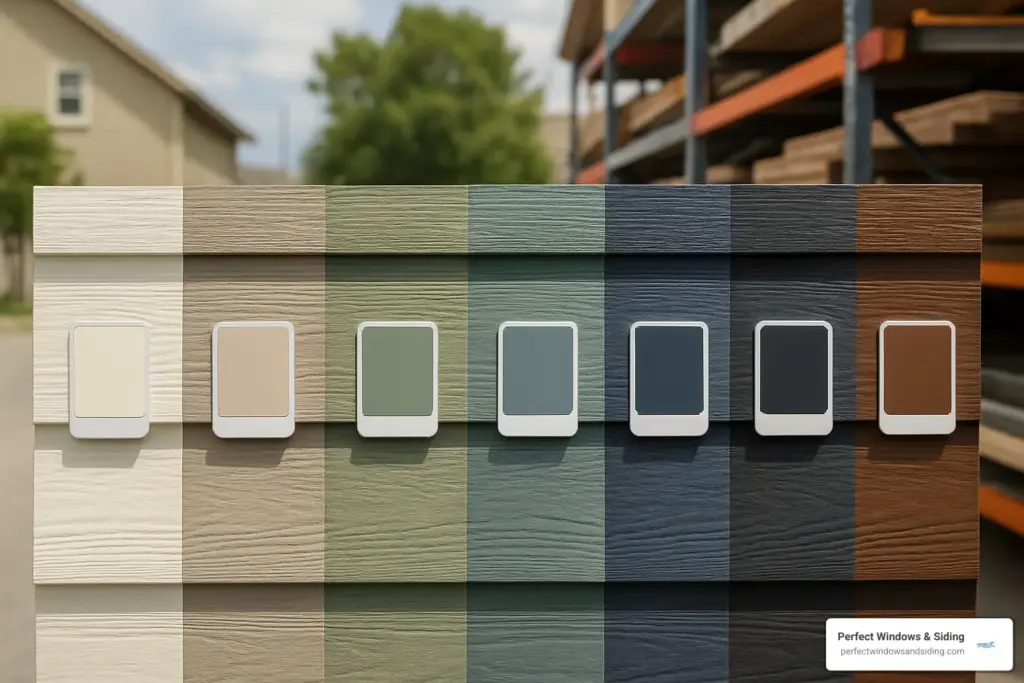
Hardie board is engineered from a blend of cement, sand, and cellulose fibers, which gives it a unique balance of strength and flexibility. According to the 2025 Hardie Board Performance Report from the National Association of Home Builders (NAHB), the product’s moisture‑resistant core and UV‑protected finish reduce the risk of warping, cracking, and fading even in extreme climates ranging from the humid Gulf Coast to the icy Pacific Northwest.
Key Benefits at a Glance
- Longevity: Certified to last 50 + years with proper installation, outpacing most vinyl and wood alternatives.
- Fire Resistance: Classified as Class A fire rated, providing the highest level of protection in residential construction.
- Pest Deterrence: The dense composition resists termites and other wood‑boring insects.
- Energy Efficiency: When paired with insulated sheathing, Hardie board can improve R‑values by up to 20 % (U.S. Department of Energy, 2025).
- Design Flexibility: Available in smooth, vertical‑lap, and textured finishes, mimicking everything from cedar shake to stucco.
Cost Overview: What to Expect in 2026
While the upfront price of Hardie board is higher than standard vinyl siding, the total cost of ownership tells a different story. A 2026 market analysis by HomeAdvisor reveals the average material cost for Hardie board ranges from $8.50 to $12.00 per square foot, versus $3.50 to $7.00 for vinyl. Installation labor adds roughly $2.00 to $3.00 per square foot, depending on regional labor rates and the complexity of the project.
Table of Contents
- Why Hardie Board Siding Stands Out in 2026
- Key Benefits at a Glance
- Cost Overview: What to Expect in 2026
- Choosing the Right Contractor
- Red Flags to Watch For
- Installation Process: Step‑by‑Step
- Maintenance Made Simple
- Common Mistakes and How to Avoid Them
- Real‑World Case Study: A Mid‑Atlantic Retrofit
- FAQ: Quick Answers to Common Queries
- Is Hardie board more expensive than vinyl siding?
- Can I install Hardie board myself?
- How long does Hardie board last?
- Is Hardie board fire‑rated?
- What colors are available?
- Future Trends: What’s Next for Fiber‑Cement Siding?
However, the same study shows that the average homeowner saves about $1,800 in repair and repainting costs over a 20‑year period when choosing Hardie board. When you factor in the higher resale value—homes with fiber‑cement siding sell for an average of 5 % more, according to Zillow’s 2026 Real Estate Trends Report—the investment often pays for itself within a decade.
Choosing the Right Contractor
Hardie board’s performance hinges on proper installation. Incorrect flashing, insufficient joint reinforcement, or using the wrong fasteners can compromise its durability. To avoid these pitfalls, it’s essential to work with a certified installer.
Our Find Top Siding Companies Near Me in 2026 guide offers a vetted list of contractors who hold James Hardie Certified Installer status, ensuring they follow the manufacturer’s recommended best practices.
Red Flags to Watch For
- Contractors who suggest “DIY” installation without specialized tools.
- Absence of a written warranty covering both product and labor.
- Unfamiliarity with local building codes regarding fire‑rated cladding.
Installation Process: Step‑by‑Step
The following checklist breaks down the typical Hardie board siding installation timeline for a standard 2,500‑sq‑ft home. Adjustments may be needed for custom designs or unique architectural features.
- Pre‑Installation Inspection: Verify wall sheathing is level, dry, and free of rot. Install a weather‑resistive barrier if not already present.
- Measure and Layout: Use a laser level to mark horizontal chalk lines; this ensures consistent lap height across the façade.
- Cutting: Employ a carbide‑tipped circular saw with a dust extraction system to cut panels to size, minimizing breakage.
- Fastening: Secure panels with corrosion‑resistant, hot‑dipped galvanized nails or screws, spaced no more than 16 in. apart, as per the Hardie board installation guide.
- Joint Treatment: Apply the manufacturer‑approved sealant to all seams and use fiber‑cement joint tape for added strength.
- Finishing: Paint or apply a factory‑finished coating within 30 days of installation to lock in color and protect against moisture.
Maintenance Made Simple
One of the biggest selling points of Hardie board is its low‑maintenance nature. Unlike wood siding, it does not require annual staining or sealing. A simple annual rinse with a garden hose and occasional inspection for loose fasteners are sufficient to keep it looking fresh.
If repainting is desired, the process is straightforward. The surface can be sanded lightly and repainted with any exterior‑grade acrylic latex paint. The 2025 James Hardie Paint Compatibility Study confirms that over 90 % of commercially available exterior paints adhere well to Hardie board without the need for a primer.
Common Mistakes and How to Avoid Them
Even experienced homeowners can fall into traps that diminish the performance of their siding. Below are the most frequent errors and practical tips to sidestep them.
- Skipping the Weather Barrier: Installing Hardie board directly over old siding without a proper WRB can trap moisture, leading to mold. Always include a breathable house wrap.
- Improper Fastener Selection: Using stainless steel screws may seem premium, but they can cause galvanic corrosion when paired with aluminum flashing. Stick to the recommended galvanized fasteners.
- Neglecting Expansion Gaps: Hardie board expands and contracts with temperature changes. Failing to leave a 1/8‑inch gap at panel ends can cause buckling in hot weather.
- Painting Too Soon: The panel must cure for at least 30 days before painting; otherwise, the paint may not bond properly, leading to premature peeling.
Real‑World Case Study: A Mid‑Atlantic Retrofit
In March 2025, a 4,000‑sq‑ft colonial home in Maryland replaced its aging vinyl siding with Hardie board. The project, overseen by a James Hardie Certified Installer, cost $85,000 total. Within the first year, the homeowner reported a 15 % reduction in heating bills, attributed to the added insulation value. Moreover, after a severe ice storm in December 2025, the siding showed no signs of impact damage, while neighboring homes with vinyl experienced cracks and water intrusion.
This example underscores the resilience and energy‑saving benefits that Hardie board can deliver, especially in regions prone to extreme weather.
FAQ: Quick Answers to Common Queries
Is Hardie board more expensive than vinyl siding?
Yes, the material cost is higher, but when you factor in durability, lower maintenance, and increased home value, the overall cost of ownership is often lower.
Can I install Hardie board myself?
While DIY installation is possible for seasoned builders, the product’s weight and the need for precise flashing make professional installation highly recommended.
How long does Hardie board last?
When installed correctly, it is rated for 50 + years, with many homeowners reporting no major issues after three decades.
Is Hardie board fire‑rated?
Yes, it carries a Class A fire rating, the highest level for residential siding.
What colors are available?
Hardie board comes in a wide palette of factory‑finished colors and can be painted with any exterior‑grade paint after installation.
Future Trends: What’s Next for Fiber‑Cement Siding?
Industry analysts at the 2026 International Siding Expo predict that the next wave of Hardie board will feature integrated smart‑panel technology, allowing homeowners to monitor moisture levels within the wall cavity via a companion app. Additionally, a push toward greener manufacturing processes aims to reduce the product’s carbon footprint by 15 % by 2028, according to James Hardie’s sustainability roadmap.
As building codes tighten and climate resilience becomes a top priority, Hardie board’s blend of fire safety, pest resistance, and low maintenance is set to solidify its position as a preferred exterior cladding choice for both new construction and retrofits.
Whether you’re renovating an older home or building from the ground up, understanding the performance, cost, and maintenance profile of Hardie board siding empowers you to make an informed decision that protects your investment for decades to come.
